How AI and Sustainability Are Rewiring Data Center Needs
February 17, 2026
The AI era is colliding with the physical limits of data center infrastructure. Workloads that once ran quietly on CPUs now demand GPU-dense clusters, unprecedented power density, and continuous cooling, all at a moment when energy, water, and carbon constraints are tightening. For data center owners and operators, the challenge is no longer just scaling for data center needs. It’s doing so more responsibly, more reliably, and at scale.
What’s new now: AI is a different kind of load
AI is not simply increasing data center demand, it is changing its shape. Industry analyses show AI-ready capacity growing at double-digit rates, with AI workloads accounting for a rapidly rising share of energy consumption. Unlike traditional enterprise workloads, AI clusters concentrate enormous power into fewer racks, creating higher density, greater load volatility, and compressed deployment timelines.
As a result, long-standing assumptions about rack power, cooling architecture, and site selection no longer hold. Today’s hyperscale facilities must support dramatically higher per-rack power, deploy faster, and rely on far more sophisticated power distribution and thermal management than legacy designs were built to handle.
How this impacts data center infrastructure
Higher-density power distribution
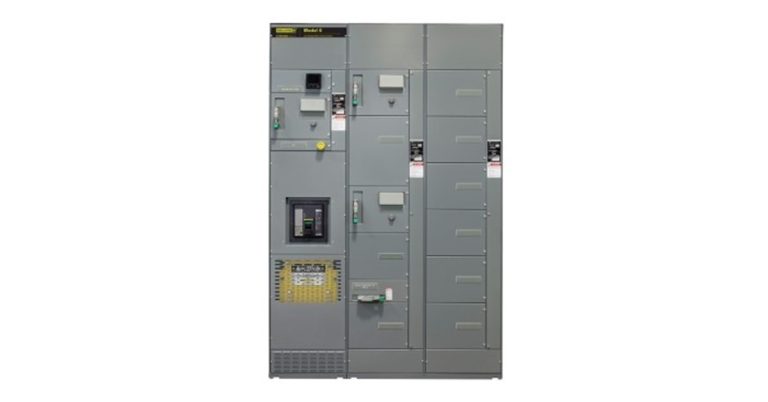
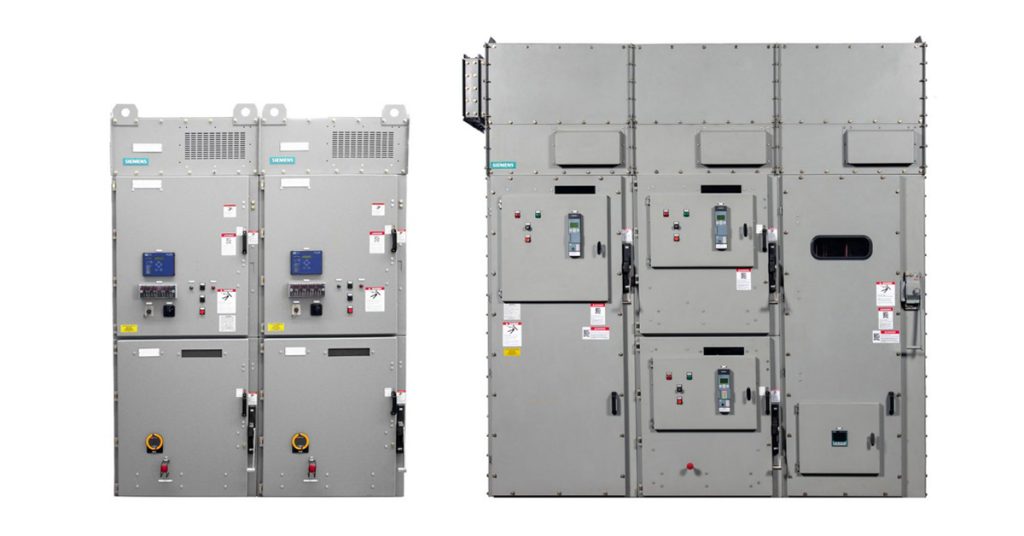
AI clusters require a shift from static, overbuilt power systems to modular, scalable architectures. On-site medium-voltage distribution, prefabricated distribution skids, and staged UPS designs allow operators to add capacity as AI demand evolves, without overcommitting capital upfront.
Shift toward new cooling systems
Air cooling is approaching its practical limits for AI workloads. As rack densities climb, direct liquid cooling, immersion, and rear-door heat exchangers are evolving rapidly.
Renewables demand flexibility
Sustainability is no longer a reporting exercise layered onto data center operations. It is shaping core design decisions, from where facilities are built, to how power is distributed, to which cooling technologies are viable. For example, in water-stressed regions, zero- or low-water cooling is becoming a requirement, not a preference. In areas with constrained grids, demand flexibility and on-site generation are essential to maintaining uptime and community trust.
Operational and supply-chain implications
AI deployments move quickly, so procurement and logistics must be more agile. With 350-plus locations nationwide, an owned fleet of trucks, and deep manufacturer relationships, Graybar’s distribution and logistics reach can help you accelerate fulfillment and reduce lead-time risk. In addition, we can connect you with skilled specialists who can help advise customers on liquid systems, high-voltage skids, and energy optimization. Finally, in some markets, AI clusters are said to stress local grids and water supplies. Graybar works alongside customers, utilities, and other stakeholders to support co-planning efforts and participation in demand-response or capacity programs, helping improve overall system resiliency.
What Graybar brings to the table
In this environment, data center owners need more than components. They need trusted business partners who understand how AI, infrastructure, and sustainability intersect in the real world.
Graybar helps customers at every stage:
- Spec-to-shelf delivery of power, connectivity, and cooling components that meet high-density AI requirements.
- Prefabricated and modular solutions that shorten schedules and lower site labor risk.
- Logistics and inventory strategies to de-risk long lead items and support fast rollouts.
- Sustainability support, working with data center owners and partners to help balance energy, water, and carbon objectives through informed equipment selection, procurement strategies, and site planning.
- Sustainability support, working with data center owners and partners to help balance energy, water, and carbon objectives through informed selection of equipment, procurement strategies, and site planning.
AI is accelerating demand for data center capacity at a pace the industry has never experienced, and it is doing so under tightening environmental and community constraints. Success will depend on:
- Infrastructure that is modular, efficient, and adaptable
- Procurement strategies that move at the speed of AI
- Operating mindset that treats sustainability as a core design principle.
Graybar helps customers bring all three together, enabling data centers that can power tomorrow’s breakthroughs more responsibly, more reliably, and at scale.

https://www.graybar.com/how-ai-and-sustainability-are-rewiring-data-center-needs