Purging and Pressurizing an Enclosure: System Designs for Hazardous Areas
From: ICEqube
Many industrial processes require operation in locations where there may be hazardous gases, dust or fibers present in the atmosphere. Electrical equipment located in spaces where flammable or combustible materials are present must somehow protect against ignition of these materials. A fire or an explosion could lead to billions of dollars of damage and the loss of life. Providing protection against this type of disaster can be accomplished by the design of specialized electrical equipment using proven design techniques or providing protection for the equipment by creating an environment void of these combustibles.
Methods of Protection for Hazardous Environments
Design of equipment may include multiple methods of protection. Allowable methods of protection are dependent upon the application of the component and the NEC (National Electrical Code) Classified or ATEX (Atmospheres Explosible) and IECEx (International Electrotechnical Commission Explosive Atmospheres) Zone rating requirements. Some methods of protection include intrinsic safety, temperature limiting, hermetic encapsulation, and mechanical devices for the use of materials that are non-sparking. All these methods prevent the electronic or mechanical device from igniting the combustible material. Agency approved components that offer these methods of protection can be quite costly due to production techniques, required testing and certification procedures.
Creating a Safe Environment with Enclosures
The alternative to using agency (NEC, CEC, ATEX or IECEx) certified components is to create a safe atmosphere for the operation of standard duty components within the hazardous material laden environment. This can be done by using an enclosure to house the non-hazardous rated components, and to protect that enclosure’s internal space from the ignitable materials. This can be done with methods referred to as purging and pressurization.
What is Purging in Enclosure Systems?
Purging is the act of introducing and venting clean air or inert gas into the enclosed space. The amount of “purge air” that must be introduced and vented from the enclosure is based upon the enclosure volume, the type of equipment inside of the enclosure and the regulatory standards that apply to that application. Purging must be completed before the standard components are energized, and operation is initiated.
How Pressurization Maintains a Safe Environment
After the purging process clears the enclosure of the hazardous contaminants to create a safe operating space, this safe space must be maintained by the pressurization process. Pressurization can be done with this same safe air or inert gas. During the pressurization process, the pressure inside of the enclosure is maintained slightly above the outside ambient pressure. This pressure requirement is usually in the range of .1 to .5 inches of water column (.25 to 1.25 mbar). Maintaining this positive pressure inside of the enclosure prevents the hazardous materials in the atmosphere outside of the enclosure from infiltrating to the inside where an ignition or explosion could take place.
Monitoring Systems and Preventing False Alarms
Safety alarms and/or electrical lockout systems monitor this pressurization to ensure safe operation should a problem arise with the safe air pressure supply. Location of the sensor that monitors the enclosure pressure is important in preventing “false” alarms. Components inside of the enclosure that have internal fans, such as servers, inverters or air conditioners, move air by creating a negative pressure and a positive pressure. Locating this sensor in the airflow path of a device may cause a false alarm if it is in an area where negative pressure is being developed. Conversely, an alarm may not activate on a loss of pressure if it is placed in an area where a fan is creating positive pressure.
Types of Purge Systems
There are 3 widely used ratings for purge systems. These are types Z, Y and X. Selection of these systems is determined by the area’s classification and the type of equipment that will be installed inside of the enclosure.
- Z type purge systems are used in a Division 2 area where non-hazardous rated equipment will be installed inside of the enclosure
- Y type purge systems are used in a Division 1 area where Division 2 rated hazardous area equipment will be installed inside of the enclosure
- X type purge systems are used in a Division 1 area where non-hazardous rated equipment will be installed inside of the enclosure
ATEX and IECEx Zone Rated Purge Systems
For ATEX and IECEx Zone rated applications, purge systems are designated by pz, py and px. Zone ratings and applications are similar to the previously described Division 1 and 2 area ratings. However, in the Zone system, there is an additional Zone 0 area. Please check equipment ratings and certifying bodies to ensure the proper type of purge system for the application.
Enclosure Requirements for Purge Applications
In addition to the purge system, the type of enclosure must also be considered. Typically, the recommended enclosure for purge and pressurization applications should be rated NEMA Type 4 (IP65) or better to withstand the purge testing and the operating environment. Check with the enclosure manufacturers for their environmental protection recommendations.
Another consideration is the permissible operating temperature of the equipment inside of the enclosure. Heat generated by this equipment may exceed the amount of heat dissipated by the enclosure surface and any of the heat exhausted with the air vented by the pressurized air system. This factor along with ambient temperatures exceeding the enclosure design temperature may require a supplemental cooling system or air conditioner. This air conditioner must also be rated for operation in the environment’s hazardous area.
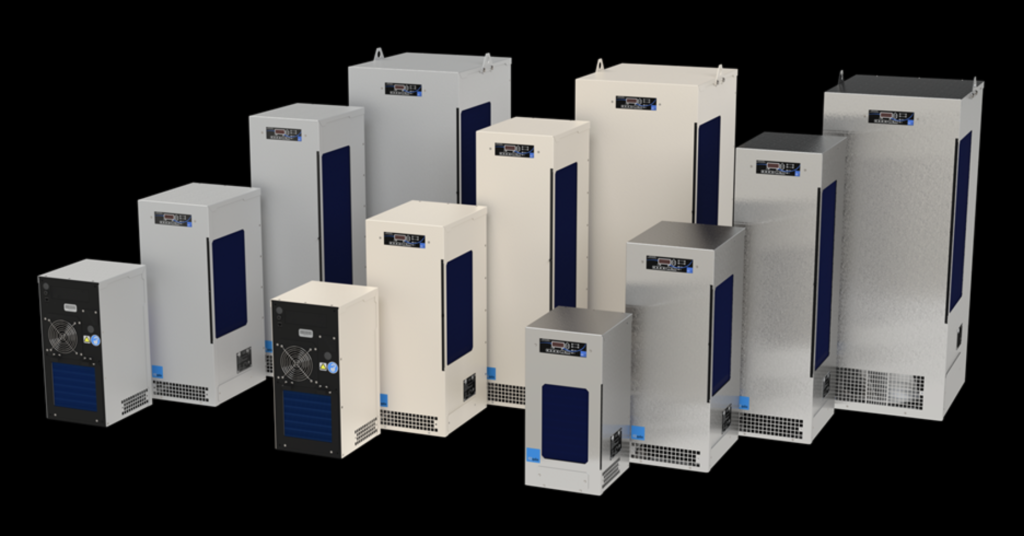
In the case of a purge and pressurization application, not only must the air conditioner have the proper Class, Division and Zone ratings, it must also be able to meet the purge and pressurization requirements. To do this, a barrier must be made with the air conditioner between the safe area inside of the enclosure, and the combustible atmosphere surrounding the enclosure and the air conditioner.
Closed-Loop Cooling in Hazardous Enclosures
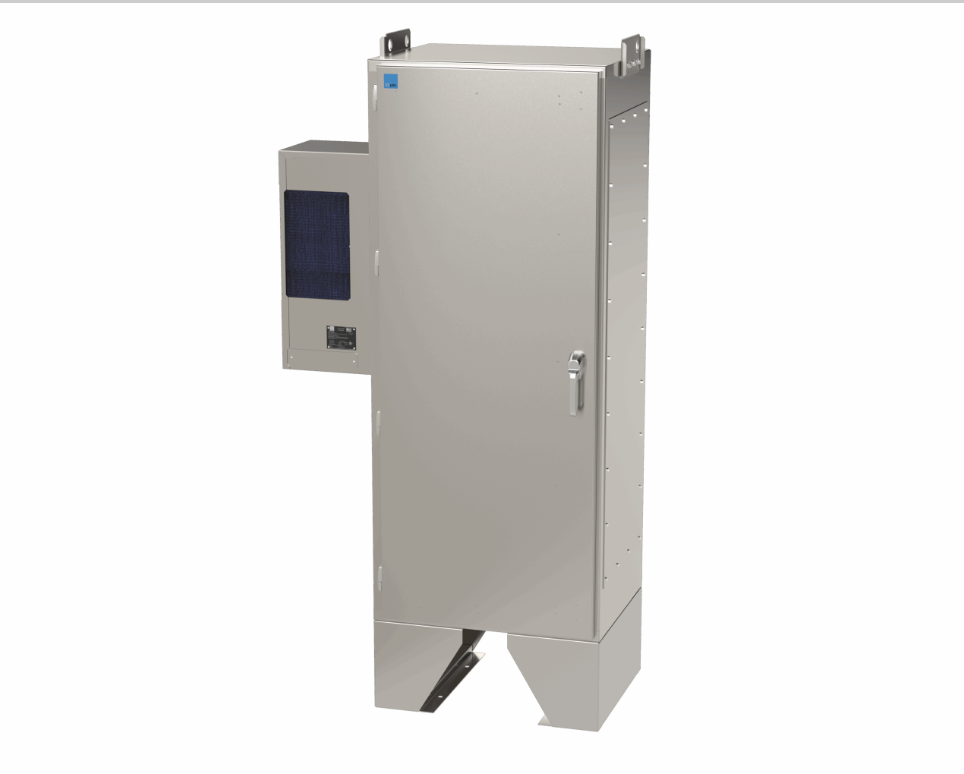
Mounting the air conditioner onto the enclosure surface will require openings in the enclosure surface for heated enclosure air to flow to the air conditioner, and cool dehumidified air to flow from the air conditioner to the enclosure. This is known as closed loop cooling, where no outside hazardous air is introduced into the enclosure air stream. The air conditioner’s internal design must also provide a boundary between the conditioned safe air side of the enclosure, and the ambient hazardous air side of the air conditioner where the unwanted heat from the enclosure is rejected to the atmosphere. Some designs also include a trap in the condensate management system. This trap may require to be filled with water to prevent enclosure pressure loss through the condensate management system.
Sealing and Installation Considerations
Openings are also required for mounting hardware to secure the air conditioner to the enclosure surface. Some type of seal, usually in the form of a gasket material, is required at the perimeter of the air conditioner to prevent excessive pressurized air leaking from the enclosure and to maintain the enclosure’s NEMA Type or IP-rating. Without this enclosure and air conditioner interface seal and air conditioner internal design considerations, the pressure inside of the enclosure may drop to an unsafe level and cause an alarm or de-energize electrical power to the equipment inside of the enclosure.
Check the air conditioner manufacturer instructions for properly installing the air conditioner on the enclosure
Key Questions for Designing Hazardous Area Systems
When designing an equipment application for a hazardous area project, keep these things in mind:
- What is the area of classification?
- What is the area of classification of electrical and mechanical equipment selected?
- If the equipment is not rated for the hazardous area, what NEMA Type or IP enclosure rating do I require to meet the area’s environmental conditions?
- What type of purge and pressurization system do I need to maintain a safe environment and satisfy agency requirements?
- What is the maximum operating temperature of the equipment I will be placing inside of the enclosure?
- Will heat dissipated by the equipment inside of the enclosure cause the internal enclosure temperature to rise above this maximum operating temperature?
- How much cooling capacity is required to maintain a safe operating temperature?
- Is the air conditioner certified for the NEMA Type/IP-rating of the enclosure and the hazardous area requirement?
When these elements are designed and applied correctly, manufacturers and operators can improve safety, maintain compliance, and keep critical systems running reliably in demanding environments.
More information about electrical enclosures and climate control systems that safeguard critical equipment from ICEqube