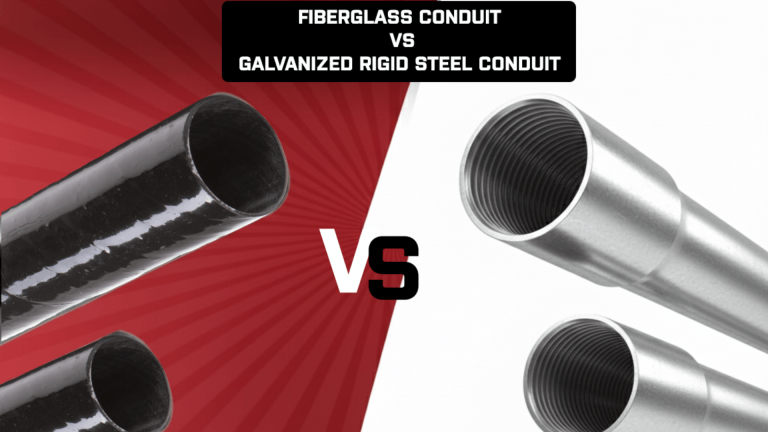
Fiberglass vs. Steel: Comparing Electrical Conduit Systems
When selecting rigid conduit, project considerations such as environment, installation type, and long-term maintenance requirements will determine the optimal product for the job.
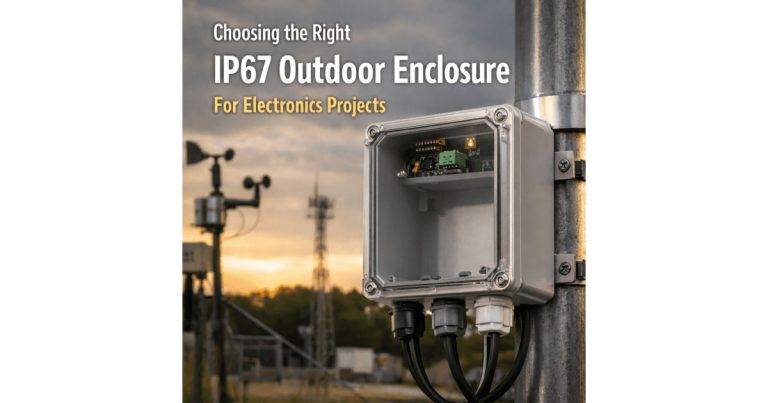
When protecting outdoor electronics, your choice of enclosure is more than just a box, it’s a critical component of the system’s longevity. Outdoor environments are truly unforgiving including being around moisture, dust, and extreme temperature swings that can degrade sensitive components if the housing isn’t up to the task. At its core, IP67 is a standard defined by the International Electrotechnical Commission (IEC) that classifies the degree of protection an enclosure provides against “ingress.”
Industry analysts now forecast that American data centers could use up to 136 billion gallons of water annually by 2028, a potential fourfold rise driven by artificial intelligence’s insatiable appetite for computing power. Imagine a single 1-megawatt facility consuming over 25 million litres each year, enough to supply hundreds of thousands of people daily. As rack densities increase towards 50 kilowatts per unit, the digital infrastructure supporting modern progress risks colliding headlong with the planet’s natural limits.
When Meta, Google, and Microsoft collectively committed billions to “open” hardware standards, industry analysts inevitably declared the end of proprietary dominance. The narrative is intoxicating: freedom from vendor lock-in, dramatic cost reductions, and accelerated innovation. The Open Compute Project (OCP) market was projected to reach $36 billion by 2025, expanding at a compound annual growth rate of 18% through 2033. Yet beneath these impressive figures lies an uncomfortable truth that most technology journalists and industry commentators refuse to articulate: open hardware has become a luxury commodity exclusively available to those who can afford to employ armies of specialists to manage it.
Voltage drop across long cable runs costs data centers energy, uptime, and money. Remote sensing in power supplies closes the feedback loop at the load, delivering precise voltage where it counts.
Data centers are evolving faster than ever — driven by rising energy demands, the push for sustainability, and the integration of AI and edge computing. To better understand how these shifts are shaping data center infrastructure, operations, and connectivity, Panel Builder US editor Garth Miller interviewed Pete Tecos, Director of Data Centers & New Energy,…
In industrial electrical systems, understanding short-circuit current ratings (SCCR) forms the foundation of a robust safety chain. Designing with SCCR values in mind empowers engineers to identify and strengthen the weakest links, preventing catastrophic breakdowns that could endanger equipment and personnel.
If you work with electrical equipment outdoors, you’ve probably come across the term “NEMA 3” more than once. It’s one of the most popular enclosure ratings in the industry — but with subtypes like 3R, 3S, and 3X in the mix, it’s easy to feel lost. Here’s a straightforward guide to what NEMA 3 enclosures do, how they’re tested, and what sets each subtype apart. NEMA ratings are set by the National Electrical Manufacturers Association and define how well an enclosure protects the equipment inside from environmental hazards.
Barbara Jorgensen, Contributing Editor at Panel Builder US explores how U.S. tariffs have increased costs and demand for automotive control systems.
Hammond Power Solutions Inc. has recently announced that it has signed a definitive agreement to acquire AEG Power Solutions, subject to regulatory approvals and customary closing conditions. AEG Power Solutions is a global manufacturer of mission critical industrial power electronics serving a diverse set of markets, including industrial facilities, transportation, infrastructure, and energy applications. Operating primarily across Europe and Asia, AEG Power Solutions employs more than 780 professionals and operates five manufacturing facilities worldwide, with approximately C$326 million in revenue in 2025.
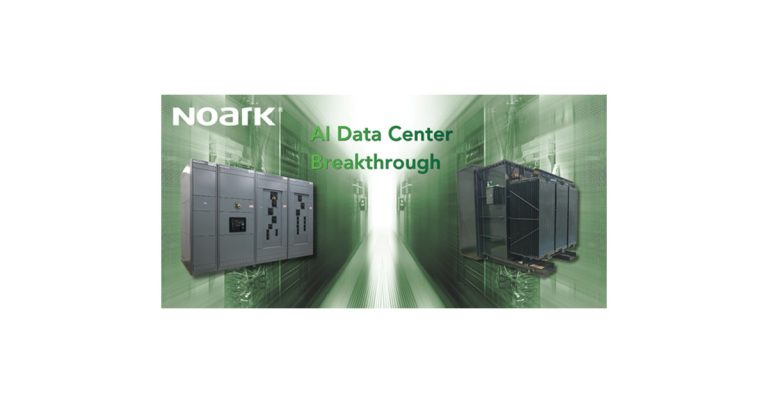
The AI era is colliding with the physical limits of data center infrastructure. Workloads that once ran quietly on CPUs now demand GPU-dense clusters, unprecedented power density, and continuous cooling, all at a moment when energy, water, and carbon constraints are tightening. For data center owners and operators, the challenge is no longer just scaling for data center needs. It’s doing so more responsibly, more reliably, and at scale.
Designing large, complex machines involves multiple disciplines, including electrical systems, fluid power circuits, and production planning. The challenge is coordinating these areas efficiently while maintaining accuracy and compliance. Eplan provides a full stack engineering environment that addresses these needs through structured, interconnected workflows and automation that goes well beyond schematics.
Russelectric, A Siemens Business, highlights its Advanced Microgrid Controls Solution, an integrated hardware and software platform designed to optimize facility power management and enhance resiliency in critical sectors. This comprehensive solution may present significant benefits, including energy cost reduction, carbon footprint minimization, and improved business continuity during grid outages.
When specifying electrical enclosures for wet or outdoor environments, understanding NEMA ratings ensures equipment protection and longevity. Two commonly specified ratings—NEMA 6 and NEMA 6P—offer robust water protection, but knowing the distinction can prevent costly equipment failures or over-specification. NEMA 6 is a rating established by the National Electrical Manufacturers Association indicating an enclosure’s ability to protect electrical equipment in wet locations. This rating confirms that an enclosure can withstand rain, washdowns, and temporary submersion in water.
NEMA 4 and NEMA 4X are two of the most commonly specified enclosure ratings, and on the surface, they look nearly identical. They share a lot of common ground, but there’s one critical distinction that can make or break a design in the wrong environment. NEMA 4X does everything NEMA 4 does, and then it adds one more layer of protection: corrosion resistance. That single addition is what sets the two ratings apart, and it’s more significant than it might initially sound.
Variable frequency drives are a hot topic. Advancements in VFD technology and reductions in price are driving rapid market adoption. Dramatic energy savings can deliver a payback period measured in months, and VFDs enable precise motor control in many industrial process applications. But VFDs are also hot in the literal sense: the advanced electronics pack more semiconductor components into a smaller form factor resulting in more intense heat generation. Elevated temperatures degrade performance, impair operational reliability and shorten service life.