Manufacturing Equipment Modernization Within Automated Factories

November 17, 2026
By Timothy Kern, Senior Industrial Automation Specialist, Wesco
Manufacturing equipment modernization within automated factories has become a strategic process for manufacturers seeking to enhance productivity, improve quality, reduce downtime and remain competitive in a rapidly evolving industrial landscape.
Industrial automation has undergone a profound transformation over the past two decades. Factories that once relied on rigid, mechanical systems now integrate robotics, advanced sensors and data‑driven control architectures. Production environments that once were typically a manual process left to the worker’s level of productivity are now seeing massive benefits to automating and systemizing work cells and processes. Manufacturing equipment modernization is not merely a matter of replacing aging machinery; it is a comprehensive approach to improving operational efficiency, product quality, sustainability and workforce safety.
Modern Automated Factory Environments
Modern automated factories rely on interconnected systems, autonomous material handling and intelligent robotics to create flexible, efficient operations with real-time visibility into performance. These advanced environments increase throughput through faster, more precise machinery while reducing downtime with predictive maintenance and advanced diagnostics. Autonomous transport systems and coordinated robotics streamline processes to improve workflow efficiency, and collaborative robots combined with automated hazard detection technologies help enhance workplace safety.
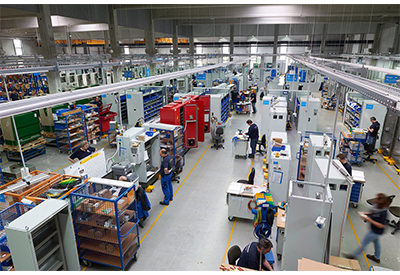
Figure 1 (shown below) illustrates a contemporary automated factory floor featuring advanced robotic arms, autonomous mobile robots, digital displays and streamlined production lines, demonstrating the shift from traditional linear production to dynamic, interconnected manufacturing ecosystems.
 Figure 1. Before and After Modernization of a Factory Floor
Comparing Legacy and Modern Equipment
Legacy equipment often suffers from mechanical wear, limited programmability and poor integration with digital systems. These limitations lead to increased downtime, inconsistent product quality and higher maintenance costs.
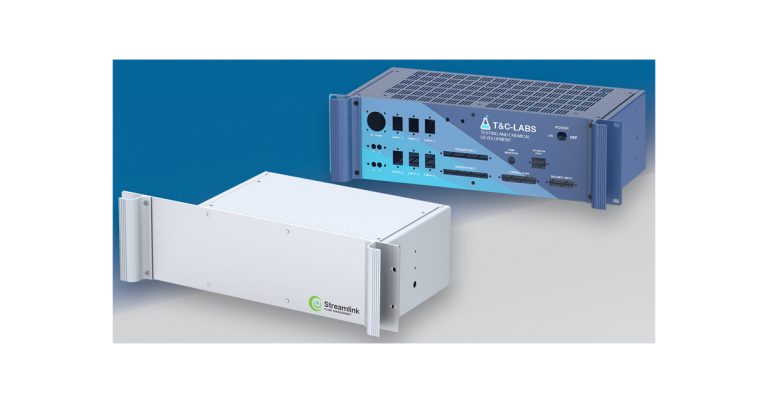
Figures 2 (shown below) provides a side‑by‑side comparison of outdated and modern automation equipment, highlighting the benefits of modernization. Modern robotics and CNC systems deliver greater precision and repeatability by maintaining tighter tolerances, while newer motors and drives improve energy efficiency through significantly lower power consumption. Modern equipment also enhances data connectivity, integrating seamlessly with Industrial Internet of Things (IIoT) platforms to provide greater visibility and control. In addition, predictive analytics help reduce maintenance requirements by identifying potential issues before they lead to failures, replacing reactive cycles with a more proactive approach.
This comparison not only demonstrates how modernization directly impacts costs of panel space, but also shows gains made technologically to optimize performance, operational reliability and long‑term cost efficiency.
 Figure 2. Before and After Modernization of an Industrial Control Panel
Benefits of Manufacturing Equipment Modernization
Modernizing equipment within automated factories delivers substantial benefits across productivity, quality, sustainability and workforce development.
Enhanced Productivity and Throughput
Upgraded equipment incorporates faster processors, improved motion control and optimized mechanical designs. These advancements reduce cycle times and increase overall throughput. Predictive maintenance systems further support productivity by identifying potential failures before they occur, minimizing unplanned downtime.
Improved Product Quality
New technologies in equipment integrate machine vision, real‑time monitoring and adaptive control systems. These technologies detect defects early, reduce scrap and ensure consistent product quality. Enhanced precision also enables manufacturers to meet tighter tolerances and higher customer expectations.
Flexibility and Adaptability
Modernized equipment supports rapid reconfiguration, enabling manufacturers to respond quickly to changing market demands. Reprogrammable robotics, modular tooling and digital twins allow production lines to shift between product variants with minimal downtime.
Sustainability and Energy Efficiency
Energy‑efficient motors, regenerative drives and optimized control algorithms reduce power consumption. Today’s equipment also minimizes material waste through improved accuracy and process stability. These improvements support both environmental goals and regulatory compliance.
Workforce Empowerment and Safety
Modern interfaces, augmented‑reality training tools and collaborative robots empower workers to manage complex systems more effectively. Automation reduces exposure to hazardous tasks, improving overall workplace safety while enabling employees to focus on higher‑value activities.