Fiberglass vs. Steel: Comparing Electrical Conduit Systems
By Scott Patchan, Champion Fiberglass
From metal to PVC to fiberglass (RTRC), the electrical conduit market offers numerous material options. Each electrical conduit system has distinctive properties that perform differently depending on the application. When selecting rigid conduit, project considerations such as environment, installation type, and long-term maintenance requirements will determine the optimal product for the job.
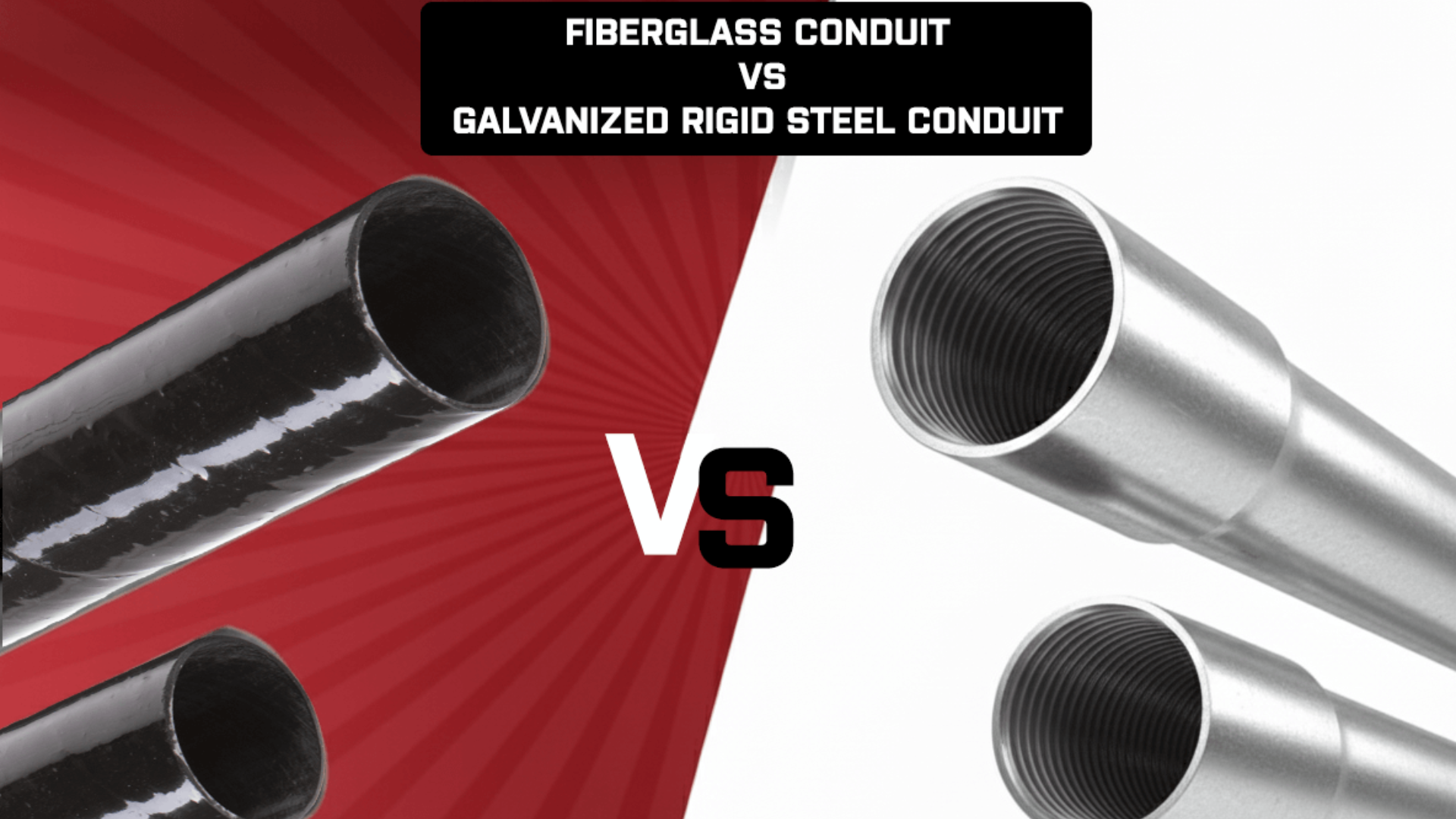
The comparison below examines how rigid metal conduit products – galvanized rigid steel conduit (GRC) and PVC-coated steel – compare against fiberglass conduit in terms of weight, installation efficiency, and performance.
Steel has been used since the turn of the last century for industrial, commercial and residential applications. The composition of steel provides adequate protection for raceway cables and wires. That protection comes with significant tradeoffs: heavy weight, poor field handling, and substantial material costs.
The electrical industry increasingly recognizes the benefits of using lightweight-yet-strong fiberglass conduit (RTRC) in place of heavier, costlier conduit materials like GRC and PVC-coated steel to protect electrical wiring and cable. Understanding the different types of electrical conduit and their uses helps engineers and contractors select the right material for each application. With extensive advantages over other types of conduit, fiberglass conduit offers reduced weight, cost savings, smooth installation and superior corrosion resistance.
Weight Comparison: A Critical Factor
Lightweight conduit lowers overall project costs by reducing labor expenses through better portability in the field, contributing to a faster, easier installation. Project owners report preferring fiberglass conduit on bridges and other raised platforms because it adds minimal weight to the overall structural load of the bridge.

The weight differential between steel and fiberglass conduit types is substantial. One hundred feet of 4” standard wall (SW) RTRC conduit weighs 72 pounds while the same 100 feet of galvanized rigid steel and PVC-coated steel weighs in at 982 pounds – over 13 times heavier than fiberglass conduit. This extreme weight difference translates directly into increased handling requirements, equipment needs, and installation time.
Installation Efficiency
The weight differential between fiberglass and steel conduit directly impacts installation requirements in terms of labor hours and equipment needs.
According to NECA Labor Installation Rates (normal installation man/hours per/100 ft), a 4” 100-foot length of GRC conduit requires 30 hours to install. The same size and length in PVC-coated steel takes 38 hours to install. Fiberglass conduit installs in a fraction of the time at just 7.43 hours, representing a 75% reduction in labor hours compared to GRC and an 80% reduction compared to PVC-coated steel.
Assuming an installation cost of $100 per hour here’s how the labor costs shake out based on normal installation man/hours per 100 feet of different types of conduit:
| Type of conduit | Labor hours | Labor cost |
| PVC-coated steel | 38 | $3800 |
| GRC | 30 | $3000 |
| PVC SCH 40 | 14 | $1400 |
| Fiberglass | 7.43 | $743 |
This installation advantage extends across multiple conduit sizes. For 6″ diameter conduit, fiberglass installation takes 8.1 hours per 100 feet compared to 24 hours for PVC Schedule 40, demonstrating the consistent efficiency gains across product specifications.
The lightweight nature of fiberglass conduit allows single-person handling of components that would require multiple workers or mechanical equipment with steel alternatives. Gasketed connections further speed installation and reduce the need for heavy equipment, lowering costs and installation risks in tight or challenging spaces.
Strength and Durability
Fiberglass conduit delivers substantial mechanical strength despite its light weight. The manufacturing process creates this strength through tension-winding strands of fiberglass over a rotating mandrel. The strands are laid in a precise pattern and impregnated with resin as they are wound onto a straight mandrel. They are then cured under high temperature, creating a conduit product with flexural strength and impact resistance that allows it to retain its shape under stress.
Fiberglass conduit of standard wall thickness can absorb mechanical impact, compressing and flexing back to its original shape without compromising serviceability. By contrast, PVC-coated rigid steel does not recover from impact and becomes inoperable when damaged. The exterior PVC coating on steel conduit is particularly vulnerable to damage during installation and service.
Cable Pulling Performance
The smooth inner wall of fiberglass conduit results in a low coefficient of friction compared to steel conduit options. When using PVC jacketed cables, fiberglass conduit has a coefficient of friction of 0.38, compared to 0.55 for PVC-coated steel and galvanized rigid steel, and 0.90 for PVC Schedule 40 and 80.
This reduced friction translates into significant practical advantages. Cables pull more smoothly through fiberglass conduit with less labor time, reduced physical stress on cables, and lower risk of damage during installation. For utility projects with long cable runs, this characteristic reduces installation complexity and prevents the “rope burn” damage that can occur with PVC conduit during high-tension pulls.
Corrosion Resistance
Fiberglass conduit demonstrates exceptional durability when exposed to harsh environmental conditions. Fiberglass is not metal and therefore will never rust or corrode, even under extreme climatic conditions. The material remains unaffected by the lubricants used during cable installation and resists degradation from salt water and UV exposure.
Fiberglass conduit is corrosion-resistant to over 70 chemicals, making it the preferred choice for demanding applications such as bridges, wastewater treatment facilities, and chemical processing plants. This extensive chemical resistance protects the conduit investment and ensures long-term system reliability in caustic environments.
PVC-coated steel offers only limited corrosion protection. Once the exterior PVC coating is compromised through mechanical damage or wear, the underlying steel becomes vulnerable to corrosion that can compromise system integrity.
Safety Advantages
Fiberglass conduit does not conduct electricity, functioning instead as an electrical insulator. This non-conductive property improves safety performance, as electrical faults within the conduit will not turn the entire conduit into a potentially fatal safety hazard. In contrast, touching PVC-coated rigid steel conduit with a wiring fault could be deadly.
Unlike steel conduit, which can weld to cables during fault conditions, or PVC conduit, which may fuse or melt, fiberglass conduit’s non-conductive properties prevent cable-to-conduit welding and simplify post-fault repairs.
Alternative Conduit Options
Beyond fiberglass and steel rigid conduit systems, other conduit types serve specific applications. Flexible metal conduit (FMC) provides flexibility for connections to equipment. Electrical metallic tubing (EMT) offers a lighter and less expensive alternative to GRC for appropriate applications. Electrical nonmetallic tubing (ENT) is a corrugated flexible conduit suitable for concrete slabs, fire-rated interior walls, or direct burial installations.

Ultimately, project requirements will drive material selection. Each conduit type has specific strengths, but fiberglass conduit demonstrates the most comprehensive advantages (compared to GRC, PVC-coated steel, FMC, EMT and ENT) across critical factors: strength and durability, light weight, cost savings, and installation efficiency for applications including transportation/DOT, data centers, utilities and wastewater treatment.
For engineers, contractors, and project owners evaluating conduit specifications, fiberglass (RTRC) delivers superior value through the combination of lower initial costs, reduced installation expenses, and long-term durability in demanding environments.
Find the best performing electrical conduit for your project with the Electrical Conduit Buyer’s Guide from Champion Fiberglass