Next Generation Engineering: The Eplan Platform 2027 Has Arrived
September 8, 2026
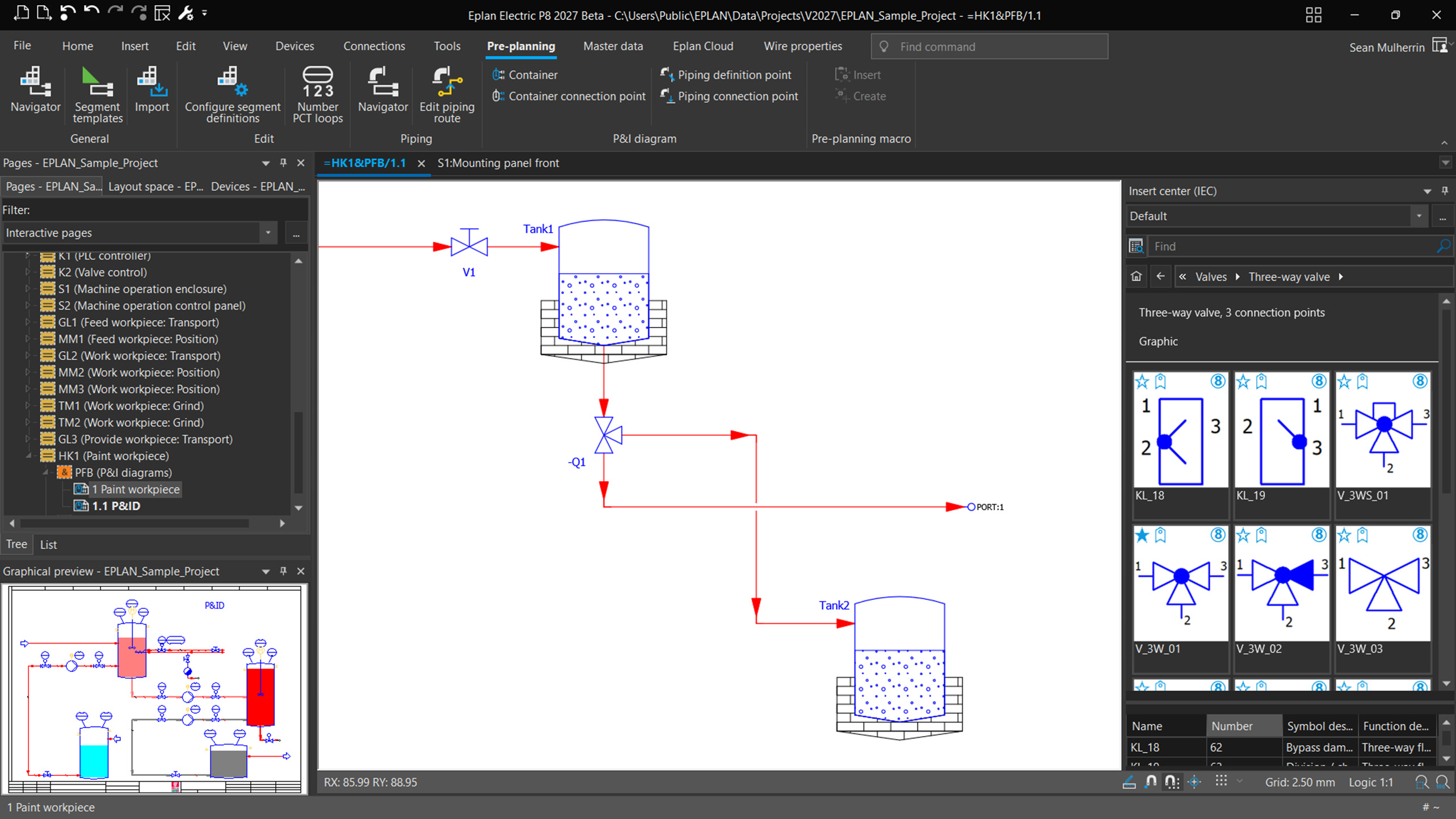
The Eplan Platform 2027, first introduced back at the Eplan Next26 in May, is now live. Users of the engineering software benefit from faster results along the process steps of preplanning, electrical engineering and control cabinet design. Another added advantage is the integration of Eplan Copilot into the software. This new AI assistant is now anchored in the platform with Version 2027 and provides valuable support in day-to-day project work. In addition, the Eplan Platform is now even easier to integrate into existing IT environments.
Even with the wide variety of more than five hundred enhancements in the new Eplan Platform 2027, what they all have in common is making project work easier and accelerating engineering. A key innovation is the introduction of Eplan Copilot into the new platform. This AI-powered assistant with a wide range of functions has been available since early September. First, it is acting as a knowledge service that can be accessed directly from within the Eplan software, providing structured access to Eplan’s internal expertise and reliably guiding users to the right solution, even for complex questions.
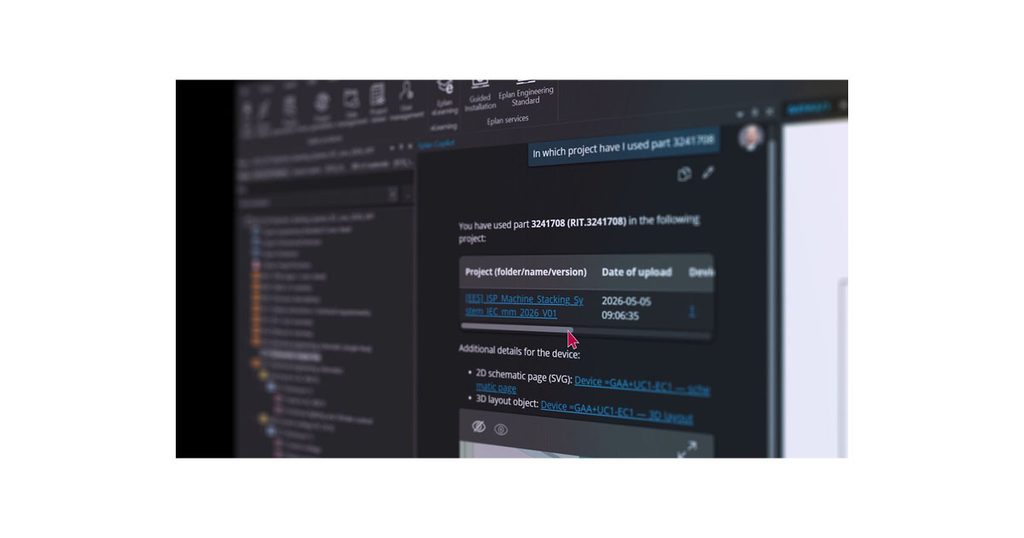
Copilot is also a powerful tool for tracking device usage. If engineers want to know in which projects they have used a specific product or component, all they have to do is enter a part number. The AI searches all the projects in the cloud and provides direct links to project pages where the device was used. Whether it’s translation, menu simplification, creating bills of materials or running quality checks, users can interact with Eplan Copilot via voice or text prompts, thereby enabling them to better leverage Eplan’s wide range of capabilities.
New: Central device management in the cloud
The additions to device management set a clear strategic focus on consistent, end-to-end data and efficient collaboration. With the new cloud-based device management and the associated synchronization capabilities, Eplan, the solutions provider, addresses a central requirement for modern, hybrid engineering environments and is hereby laying the foundation for consistent master data, digital twins and cross-system traceability. These core functions are complemented by targeted improvements in searching, selecting, transparency and data quality, all of which significantly simplify the day-to-day management of large parts inventories. Taken together, these improvements enable better-integrated working and significantly more efficient workflows throughout the entire engineering and life-cycle process.
Cloud device management is now synchronized
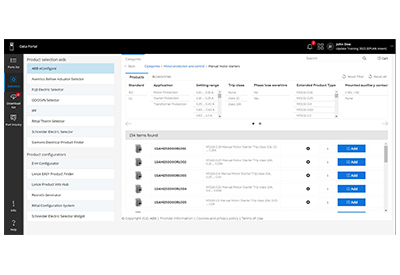
Looking at today’s processes in device/parts management, the process is characterized by media disruptions. In hybrid IT environments, companies operate both cloud-based and local systems in parallel. Differing user interfaces, product data maintained in multiple locations, and limited remote access often lead to inconsistencies, increased efforts needed for maintenance and data gaps in the engineering process.
The new Eplan Platform 2027 creates greater clarity in this area and synchronizes processes. By provisioning data from the Eplan Cloud, users have a uniform front-end workflow, the advantages of which are obvious. Product data is maintained only once and automatically synchronized bidirectionally between the cloud and local systems (keyword: data management). This is true for device data as well as master data such as formulas, plot frames and symbol libraries, which can all now be synchronized. At the same time, this workflow ensures location-independent access to parts information that is up to date. Users thereby achieve maximum data consistency, greater reusability and reduce efforts required for device management.
End-to-end processes in focus
The Eplan ecosystem is continuing to expand by way of targeted additions for partner integrations. This expansion is driven by the growing need to seamlessly connect engineering systems with automation solutions and ERP/PDM solutions in order to avoid information silos. Enhanced integrations create end-to-end data flows between Eplan and leading partner solutions, such as Rockwell Emulate 3D (as just one example). By importing Eplan data into Rockwell’s virtual testing and simulation environment, users can simulate and validate machine and plant system layouts—including the actual control logic (PLC) – long before the hardware even exists. Additional integrations to ERP/PDM systems enable transparent, controllable device synchronization, which significantly improves data reliability over the long term.
To conclude
The Eplan Platform 2027 stands for connected, AI-supported engineering. Further developments in preplanning, improvements in the management of device data and in handling devices, expanded collaboration and integration – not to mention the inclusion of Eplan Copilot – make it clear that with the Eplan Platform 2027, users can access relevant information more quickly, utilize existing data more consistently and focus more on their actual engineering tasks.

https://www.eplan.com/us-en/about-us/press/the-eplan-platform-2027-has-arrived